Products, Traditions, and Gastronomy in Corfu
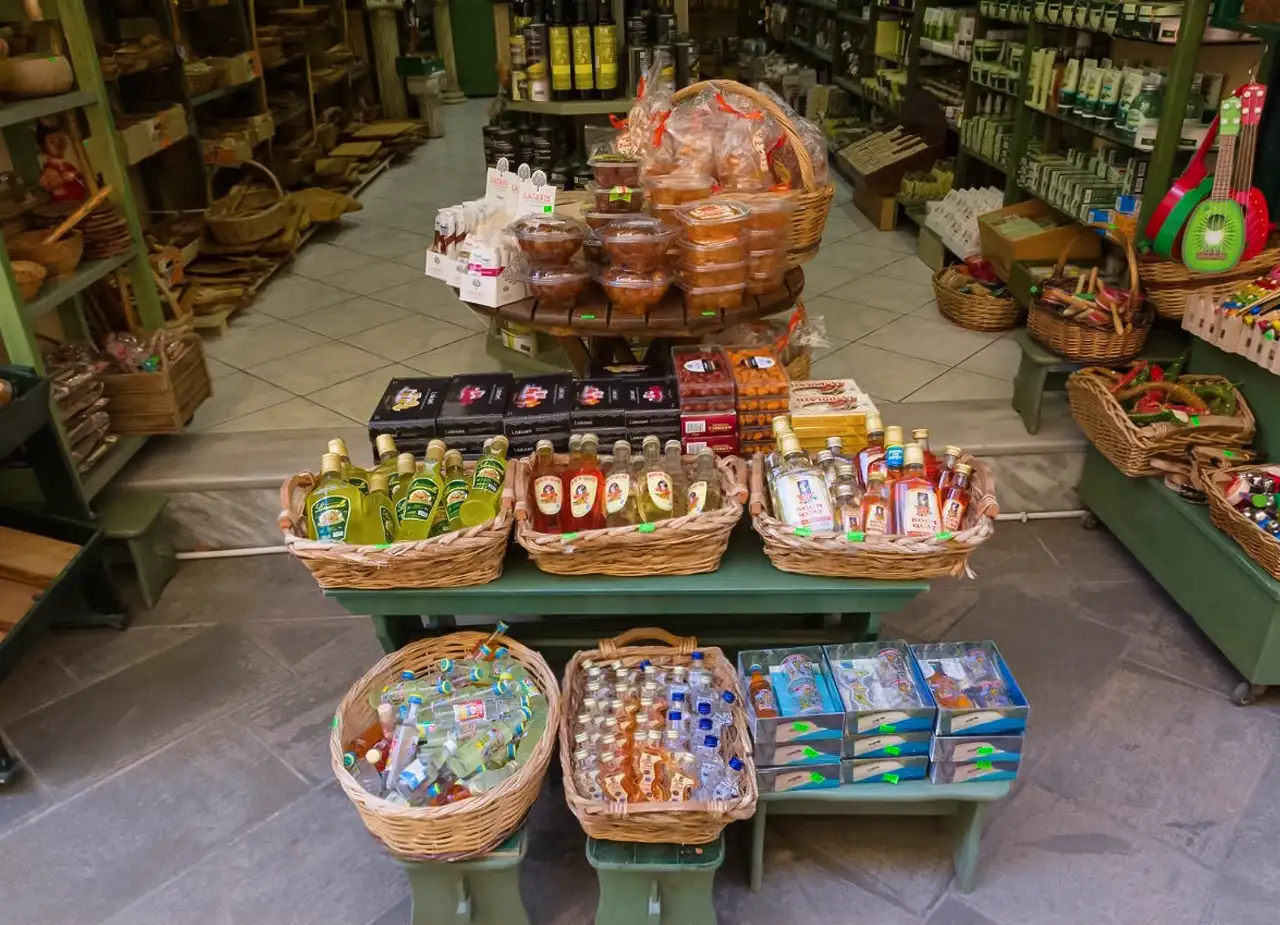
Corfu, the emerald island of the Ionian Sea, is not only known for its enchanting landscapes and rich history but also for its unique culinary tradition. Corfu’s local cuisine is a harmonious blend of influences from various cultures, primarily due to the long period of Venetian rule, which left a lasting mark on the island’s flavors and recipes. In this text, we’ll explore three of the most characteristic dishes of Corfiot cuisine, pastitsada, sofrito, and burdeto, as well as local products like kumquat, which are an integral part of the island’s gastronomic identity.
Pastitsada is perhaps the most well-known and beloved dish in Corfiot cuisine. It is a rich and aromatic dish traditionally made with rooster or beef, cooked in a deep red tomato-based sauce with a special blend of spices known as spetseriko. The dish is usually served with thick pasta or penne, which
The history of pastitsada is closely tied to the Venetian presence in Corfu. The name of the dish comes from the Italian word pastitsada, meaning “stew.” One theory suggests the dish originated after a battle in Verona, where locals, unsure what to do with the many horses left on the battlefield, decided to cook them into a rich stew. Although the Corfiot version no longer uses horse meat, the basic idea of slow cooked meat in a spiced sauce remains the same. Spetseriko is the secret ingredient in pastitsada. It’s a spice blend that typically includes cinnamon, clove, nutmeg, and pepper, giving the dish its distinctive aroma and flavor. Preparing pastitsada requires time and care, as the meat must be slow-cooked to absorb the spices fully and become tender.
Sofrito is another iconic dish of Corfu that reflects Venetian influence on the island’s cuisine. It consists of thin slices of veal that are lightly fried and then simmered in a white sauce made with garlic, parsley, and white wine. The result is a tender and aromatic dish usually served with mashed potatoes or rice. The name sofrito comes from the Italian word soffritto, meaning “lightly fried” or “sautéed,” indicating the cooking technique used in the dish. This recipe reached Corfu during the Venetian period and was adapted to suit local tastes and available ingredients.
Sofrito showcases the Corfiots’ ability to incorporate foreign culinary influences and transform them into their own unique creations. The simplicity of the ingredients, combined with careful preparation, makes sofrito a favorite among locals and visitors alike.
Bourdeto is a traditional Corfiot fish based dish known for its spicy and intense flavor. It’s a thick fish stew where the fish is cooked with onions, tomato, and spices such as red pepper and garlic. Corfiots traditionally make burdeto with fish like cod or red mullet, though older recipes may use various Ionian fish varieties. The dish is typically served with boiled rice or bread, which soaks up the flavorful sauce. Burdeto’s origin is linked to Corfu’s long fishing tradition. Fishermen needed simple and economical ways to use their catch, and the bold flavored sauce reflects their need to adapt traditional recipes to local conditions and ingredients. As a result, burdeto stands as a prime example of Corfu’s seafood cuisine, combining simplicity, flavor, and tradition.
The importance of philarmonics
Corfu’s gastronomy wouldn’t be complete without its local products, which give the island its distinctive flavor. The kumquat is the most iconic of Corfu’s local products, a small citrus fruit with a strong sweet and sour taste that holds special significance for the island. Introduced to Corfu possibly by the Chinese, kumquats are mainly cultivated in the areas of Kontokali and Nymfes and enjoy high demand and recognition both locally and abroad.
Kumquats are used to make various products, including the famous kumquat liqueur, jams, sweets, and even meat sauces. The kumquat liqueur, in particular, is very popular and has become an essential part of local culture and hospitality, offering a sweet taste of the island in every sip.
Besides kumquats, other traditional products of Corfu include honey, primarily from the fragrant northern and southern areas of the island and olive oil, known for its quality. Olive trees are cultivated throughout the island, and Corfu has long been one of Greece’s major olive oil producers.
Due to its strategic position in the Ionian Sea, Corfu has always been a crossroads of cultures where different traditions and cuisines coexisted and interacted. The Venetian era, which lasted nearly four centuries, significantly influenced local cuisine by introducing recipes and ingredients from Italy and Western Europe. The Venetians brought with them the use of spices and the art of creating dishes with bold aromas and flavors, like pastitsada and sofrito.
After the Venetians, the British occupied Corfu and left their own imprint. They introduced the tradition of tea drinking and brought new agricultural practices, such as the cultivation of fruits like the kumquat.
Today, Corfu’s gastronomy remains a living reflection of the island’s historical evolution and the cultural influences it has absorbed. Traditional recipes are still deeply rooted in family and social customs, while local products like kumquats and olive oil are integral to the island’s diet and hospitality.